


Understanding the Chevrolet Recommended Service Schedule

Welcome, Woods Cross drivers! Whether you’re commuting on I-15, navigating the streets of Bountiful, or heading towards North Salt Lake, this locally tailored maintenance guide is here to help you keep your Chevrolet running smoothly. With over three decades of trust in our community, Murdock Chevrolet understands the unique driving conditions and climate of our area, from snowy winters to warm summers. This guide will outline a recommended service schedule that’s designed specifically for the roads you travel, ensuring your vehicle maintains peak performance and reliability for all your adventures.
Why Should You Follow a Maintenance Schedule for Your Chevrolet?
Adhering to a maintenance schedule is vital for protecting your investment in a Chevrolet and ensuring its reliability, especially for drivers in Woods Cross and the surrounding areas. The local climate-characterized by hot summers that can strain fluids and belts, along with higher humidity and pollen counts-places unique demands on your vehicle. Regular service helps combat these challenges, keeping your Chevrolet running smoothly on daily commutes along Interstate-15 or leisurely drives to nearby Station Park.
Consistent maintenance enhances your vehicle’s performance, fuel efficiency, and safety. For instance, a well-maintained Chevrolet Equinox is better equipped to handle the stop-and-go traffic on 2600 South, while families can rely on a Chevy Tahoe for safe and comfortable trips to the Wasatch Mountains. It’s not merely about avoiding breakdowns; it’s about ensuring your vehicle performs as intended, providing peace of mind on every journey. For more insights on vehicle care, resources like Edmunds offer a wealth of information.
How Does Chevrolet’s Service Reminder System Work?
Many Chevrolet vehicles can notify you when maintenance is due. Depending on your specific model and year, this reminder might be based on a straightforward time or mileage counter, or it could adjust according to how you use your vehicle. These systems aim to help you stay on top of your vehicle’s needs, so you can keep it running smoothly.
When maintenance is approaching, drivers typically see a dashboard message, a service indicator (like a wrench light), or a maintenance reminder, which may include an oil-life percentage. The specifics can vary widely between models, so be sure to check your owner’s manual for the precise service schedule. Additionally, local driving patterns around Woods Cross and Bountiful, such as frequent short trips on South Main Street or stop-and-go traffic on I-15, can influence how often your vehicle requires service, even though the vehicle may not directly measure these conditions.
What Does the Primary Service Reminder Mean?
After understanding how service reminders work in general, it’s important to know what the primary reminder indicates for your vehicle. This reminder serves as a high-level alert that scheduled maintenance is due or approaching. Depending on the model and year, some Chevrolet vehicles may display a simple message or indicator, while others provide additional context through a maintenance menu or detailed settings. For specific information regarding what maintenance is due, refer to your owner’s manual or the in-vehicle maintenance screen.
Primary reminder: This is a general signal prompting you to check your vehicle’s scheduled maintenance guidance and plan for service. It typically indicates that maintenance is due, but does not always specify each required item.
Additional details (if shown): Some vehicles may offer extra information, such as a maintenance screen, percentage, descriptive messages, or symbols, which provide further guidance on what needs attention. If these details are available, consult them alongside your owner’s manual to verify the recommended service.
What Do Additional Service Indicators Mean?
Many vehicles offer extra details beyond the primary service reminder, including symbols or menu entries that specify upcoming maintenance needs. The exact indicators can vary by model, so it’s important to refer to your owner’s manual for precise meanings. Here are common types of service items that some vehicles may show:
- Tire rotation: Regular tire rotation ensures even tread wear and helps maintain consistent handling. If you frequently drive in stop-and-go traffic on South Main Street or take short trips to Bountiful, tire wear may accelerate.
- Engine and cabin air filters: Engine air filters ensure proper airflow for optimal engine performance, while cabin air filters maintain air quality inside the vehicle. Dust and pollen from the nearby Great Salt Lake area can clog these filters over time, especially in spring.
- Transmission fluid: Monitoring transmission fluid levels is crucial for long-term performance. Frequent short trips or driving uphill on Legacy Parkway can increase heat and strain on the transmission.
- Spark plugs and valve clearance check (when applicable): Spark plugs typically need replacement at specific intervals, and some engines may require valve clearance checks. These services are often highlighted as vehicles accumulate mileage.
- Engine coolant: Maintaining proper coolant levels is vital for regulating engine temperature. Hot summer days or extended highway driving can put extra stress on your cooling system.
- Rear differential fluid (AWD/4WD, if equipped): For vehicles with all-wheel or four-wheel drive, differential fluid service may be necessary. Driving in rainy or snowy conditions around Woods Cross can increase wear on drivetrain components.
- Brake fluid: Brake fluid can absorb moisture over time, impacting overall braking performance. If brake fluid service appears on your maintenance schedule, be sure to follow the recommended intervals.
What is a Typical Chevrolet Service Schedule?

Even if your Chevrolet vehicle has service reminders or maintenance information displayed in the dash, it’s still beneficial to understand the typical timing of maintenance milestones. This overview serves as a helpful reference that complements your owner’s manual and any in-vehicle guidance (if equipped).
What Services Are Needed in the First 30,000 Miles?
During the first 30,000 miles of ownership, many Chevrolet drivers typically focus on foundational services like routine oil changes, tire rotations, and air filter checks. The specific timing for these services can vary based on the model, driving habits, and environmental conditions.
Oil service: Most Chevrolet vehicles may require oil changes based on driving conditions. If your routine includes frequent short trips or stop-and-go driving around Woods Cross, Bountiful, or North Salt Lake, you might find that oil service comes due sooner than expected, especially with the demands of local traffic patterns.
Tires and filters: Tire rotations are a common early service, typically performed alongside oil changes to ensure even tire wear. Additionally, keeping an eye on your engine and cabin air filters is essential; given the local environment’s pollen, dust, and construction debris, replacements might be necessary depending on driving conditions.
What Maintenance Should Be Done Between 30,000 and 60,000 Miles?
As your Chevrolet approaches the 30,000 to 60,000-mile range, maintenance often shifts from routine upkeep to more significant preventative care. This stage is crucial for ensuring the longevity of key systems, especially considering the driving conditions in Woods Cross, where stop-and-go traffic along roads like Redwood Road (SR-68) and the steady speeds on Interstate 15 (I-15) can place additional demands on your vehicle. Always consult your owner’s manual for specific recommendations tailored to your model and driving habits.
Transmission fluid: A transmission fluid service is often recommended for vehicles used in frequent stop-and-go driving, short trips, or towing. Maintaining the transmission fluid’s quality is vital for smooth shifting and the long-term durability of your Chevrolet’s transmission, especially if your daily drives include hilly routes or highway commutes.
Brake fluid, brakes, and tires: Brake fluid replacement is important because brake fluid can degrade over time, leading to reduced effectiveness. Additionally, regular inspections of brake components and tires are critical. Engaging in frequent checks can help ensure safe stopping and handling, especially during wet weather or when navigating the busy streets of Bountiful and North Salt Lake. For insights on vehicle reliability and owner satisfaction across various models, you can refer to Consumer Reports.
What Major Services are Required Approaching 100,000 Miles?
As your Chevrolet vehicle nears the 100,000-mile mark, it’s common for certain maintenance services to be highlighted. The specific needs can vary based on the model and engine type, so it’s best to consult your owner’s manual for tailored recommendations. Staying proactive with these services can enhance your vehicle’s longevity and reliability, which is crucial for drivers around Woods Cross, especially considering the daily commutes and weekend adventures in the Wasatch Mountains.
Spark plugs: Replacing worn spark plugs can lead to improved fuel efficiency, smoother engine operation, and better starting reliability-benefits that are particularly important for those navigating the daily traffic along I-15 or Legacy Parkway.
Timing belt (if equipped) and coolant service: Most modern engines utilize timing chains that generally do not require routine replacement. Additionally, coolant service-which involves flushing and replacing the coolant-is often recommended to protect the cooling system from corrosion and overheating over time. Keeping up with these critical maintenance items not only supports reliability but can also positively impact resale value.
Why is Local Expertise Important for Servicing Your Chevrolet?
Having a service team that truly understands the unique driving conditions in Woods Cross is invaluable for maintaining your Chevrolet. Local climate factors, such as the intense summer heat and high humidity, can significantly affect your vehicle’s A/C system and engine performance. Additionally, the clay-rich soil in this area can cause increased wear on air filters, while seasonal pollen can lead to further maintenance needs. Our technicians are adept at recognizing the specific wear patterns that arise from frequent drives along roads like 2600 South and Redwood Road (SR‑68), helping to ensure your vehicle remains in top shape.
At Murdock Chevrolet, our technicians pay close attention to these regional factors, allowing them to address potential issues before they escalate. For instance, they’re trained to look for signs of wear that may result from the stop-and-go traffic typical around South Main Street during rush hour. This local expertise not only builds trust but also enhances your vehicle’s reliability and safety on the road. For further reading on vehicle safety, visit the National Highway Traffic Safety Administration (NHTSA) for valuable information and resources.
Frequently Asked Questions (FAQs)
How does Murdock Chevrolet manage service wait times?
Murdock Chevrolet strives to keep service wait times as short as possible by utilizing an efficient scheduling system and experienced technicians. During peak hours, the team can provide updates to ensure you’re informed about any delays.
What steps can I take to minimize my wait time at Murdock Chevrolet?
To minimize wait times, consider scheduling your service appointment during off-peak hours or utilizing our online booking system for convenience. Arriving early can also help streamline the check-in process.
What should I expect if my appointment time at Murdock Chevrolet is not honored?
If your appointment time is not honored, Murdock Chevrolet’s team will communicate promptly and work to accommodate you as quickly as possible, ensuring your vehicle gets the care it needs without unnecessary delays.
When are peak times for service appointments at Murdock Chevrolet?
Peak times typically occur on weekends and during the first part of the month, as many customers take advantage of their schedules for maintenance. Planning your visit during mid-week may help reduce wait times.
How often should I change the oil in my Chevrolet for the best performance?
For optimal performance, many Chevrolet drivers find that changing oil regularly is ideal, especially considering the seasonal changes and driving conditions in Woods Cross. Always check your vehicle’s maintenance monitoring system for specific guidance.
What benefits does all-wheel drive (AWD) provide for drivers in Woods Cross?
AWD offers significant advantages in winter conditions, providing enhanced traction and stability on snowy or icy roads. For Woods Cross drivers, this means more confidence navigating local highways and mountain roads during the winter months.
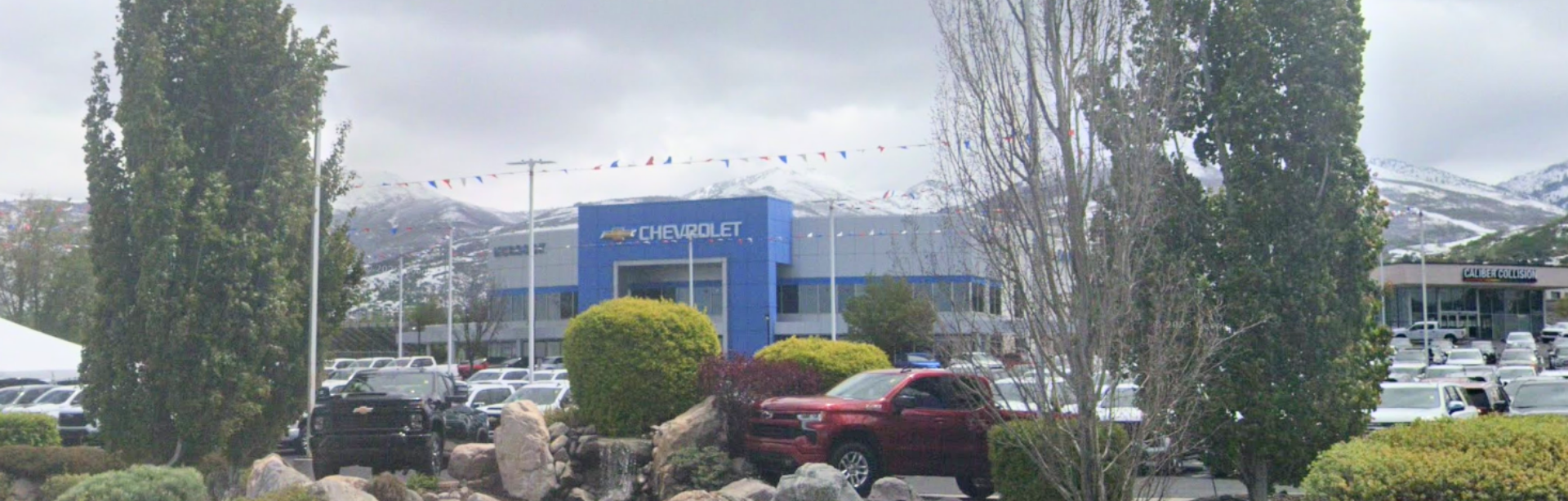
About Murdock Chevrolet
At Murdock Chevrolet, we provide an elite automotive experience for drivers in Woods Cross, Bountiful, Layton, and throughout the Salt Lake and Davis County areas. Our dealership is anchored by the Murdock family legacy that began in 1925, with our specific Woods Cross location serving the northern Utah community since 1982. We are proud to be a multi-generational family business, led by fourth-generation owners who have helped us rank among the top Chevrolet dealers in the state for both sales volume and customer satisfaction. Our commitment to the region extends beyond the lot through our support of local initiatives and our signature No Regrets promise that ensures every guest is treated like family. Whether you are visiting our state-of-the-art facility for a new vehicle or certified GM service, you can rely on over 40 years of local expertise to keep you moving forward.
Related Articles:
The Ultimate Guide to Finding the Best Chevrolet Dealer in Woods Cross, UT
0 comment(s) so far on Understanding the Chevrolet Recommended Service Schedule